
Rotate the device
The circular economy represents a revolutionary paradigm in the plastics sector, where resources are utilized, recovered, and reintegrated into the production cycle, minimizing waste and environmental impact. This approach contrasts with the traditional linear economy model, characterized by a “produce-use-dispose” cycle that generates substantial waste and heavily relies on the extraction of new raw materials.
In recent years, the adoption of circular models has significantly transformed industrial processes, driven by stricter regulations and growing environmental awareness.
This article examines practices, technologies, and strategies implemented by leading companies to promote the transition to a circular economy in the plastics industry.

The circular economy in the plastics sector revolves around three fundamental pillars: reduction, reuse, and recycling.
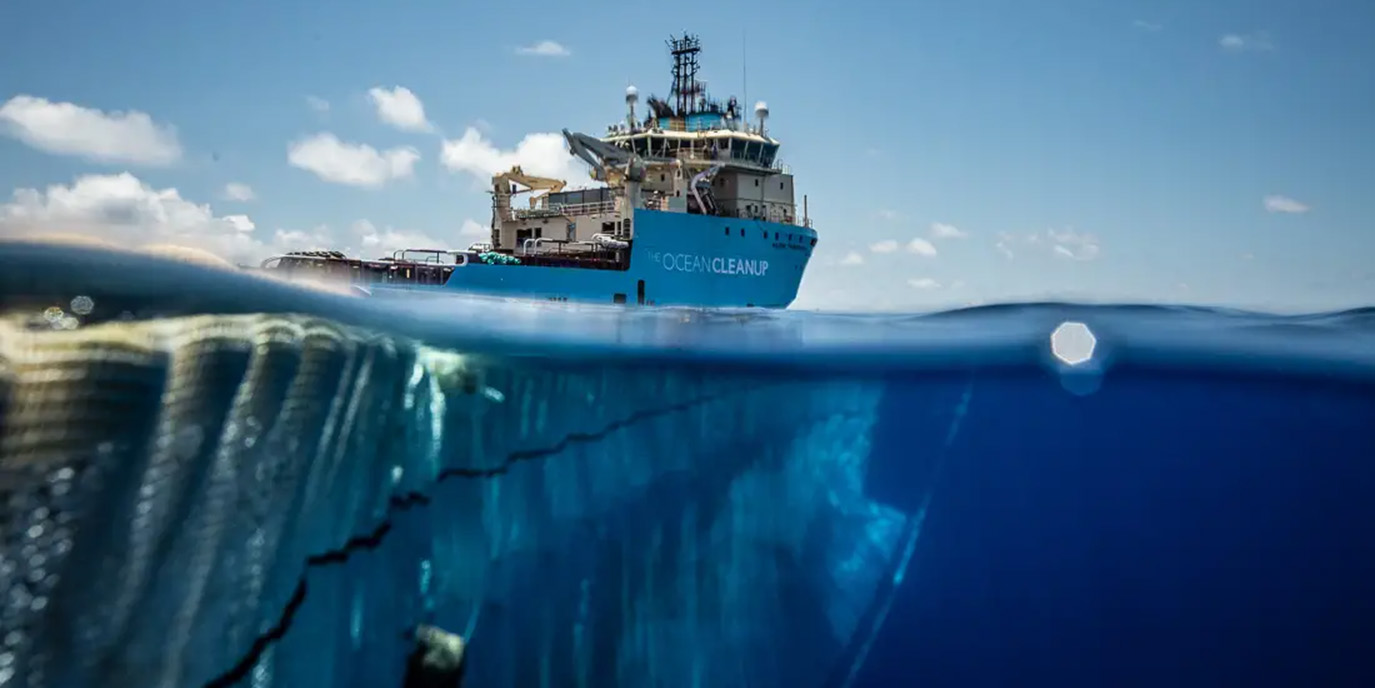
A notable success is the Ocean Cleanup program, which has recovered thousands of tons of ocean plastic, later repurposed for industrial processes. This approach not only reduces marine pollution but also raises awareness of the importance of proper waste management.
While ocean plastics require complex treatment processes due to high contamination levels, they represent a significant step toward a more circular and sustainable value chain. Their use in design and luxury packaging demonstrates the potential to combine aesthetics, functionality, and environmental respect effectively.
The success of the circular economy relies heavily on integrating innovative technologies that enhance efficiency and reduce costs.
The packaging sector leads the transition to a circular economy through the introduction of post-consumer recycled plastics (PCR) for bottles, containers, and protective films.
Despite progress, transitioning to a circular economy model presents challenges such as the difficulty of separating mixed plastics, insufficient recycling infrastructure in many regions, and the relatively high cost of advanced technologies. However, the opportunities are equally significant, driven by increasing consumer demand for sustainable products and government incentives for recycling and secondary material use.
The circular economy is an essential path for the future of the plastics sector.
Through the adoption of advanced technologies, innovative practices, and sustainable design strategies, companies can not only reduce their environmental footprint but also create long-term economic value. The journey toward circularity requires collaboration between industry, institutions, and consumers to build a more resilient and environmentally responsible production system.