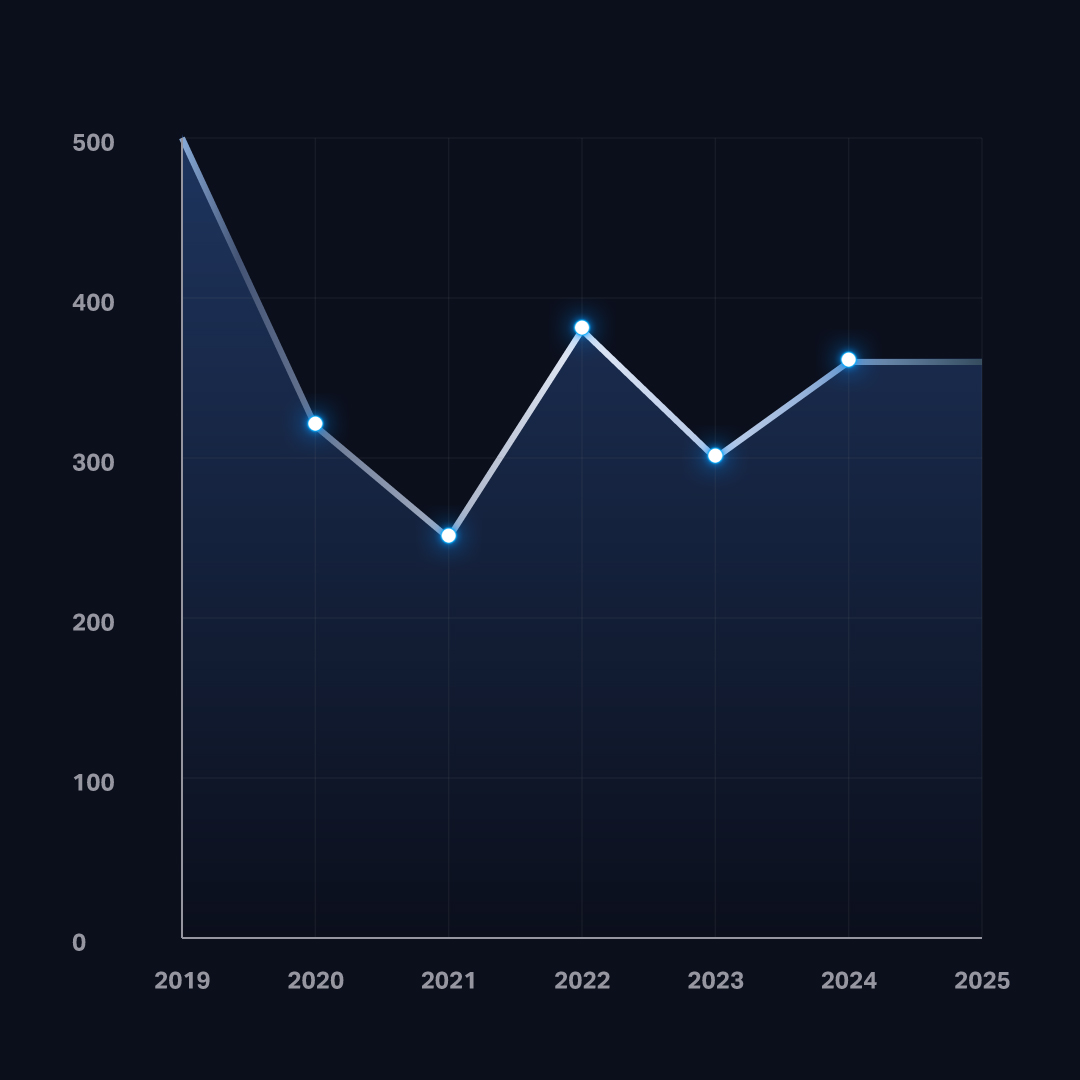
+40%
Increased Machine Life*
-50%
Reduced Downtime*

Focusing solely on price means looking at the project from a limited perspective, without considering the impact the mould will have on the entire production system over the years.
A mould is not just a mechanical component. It is a central element of an integrated industrial process, designed to operate continuously. Its real value depends on its ability to interact effectively with the production system and on the strength of the design choices that determine its long-term performance. In injection moulding, the difference between cost and investment is measured across the entire operational lifecycle, because it directly affects production continuity and profitability.
Quality begins before start-up. It is built during the design phase, when every technical decision is evaluated methodically and with a comprehensive vision.
Flow analysis, injection balancing, cooling optimisation, and deformation control are not merely formal steps, but decisions that determine the functional balance of the mould.
In high-productivity moulds, even minimal thermal asymmetries can compromise cavity-to-cavity uniformity and lead to dimensional or functional differences. When the design is developed in a structured way, start-up does not become a trial-and-error phase, but a controlled process.
This means reducing uncertainty, inefficiencies, and corrective interventions.
In high-volume production, even small variations can result in scrap, rework, or downstream issues. SPE (Society of Plastics Engineers) studies on process capability and statistical control demonstrate substantial scrap reduction after process stabilization; industrial benchmarks typically show scrap falling from several percent to near-zero levels, once a statistically stable process window is established.
Thermal balance, tolerance consistency, and correct injection distribution affect the weight, geometry, and functional performance of the cap. Even minor deviations can impact assembly, sealing performance, or fit with the container
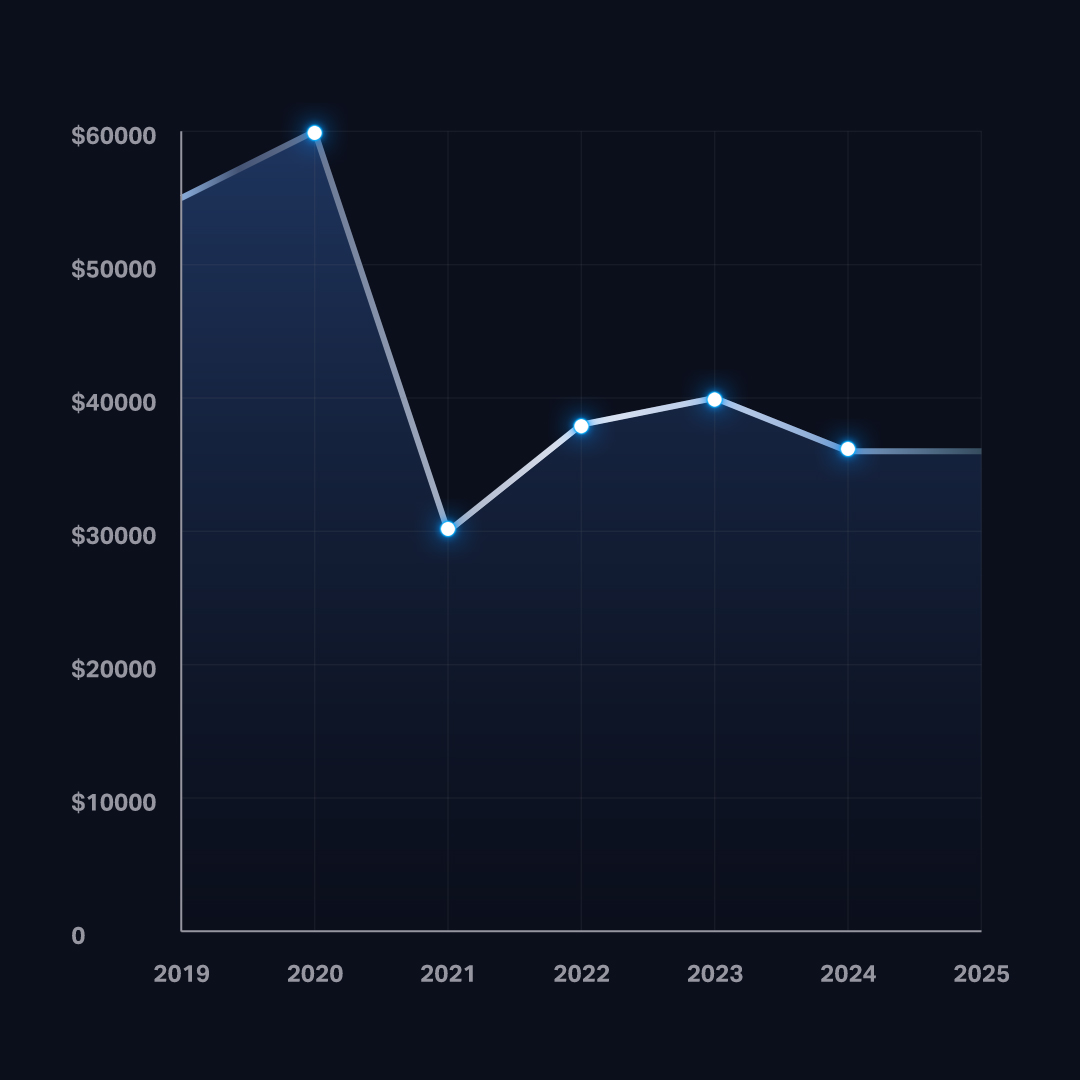
Cost per Hour of Downtime*
In the industrial life of a mould, modifications are inevitable.
Product evolutions, regulatory updates, and market-driven optimisations are all part of the cycle. What makes the difference is the methodology used to manage them.
A well-structured design approach allows for orderly interventions, without unexpected issues, with traceability of decisions and clear responsibilities. When design is approximate or poorly defined, even a limited intervention can turn into a widespread problem.
In the context of multi-cavity injection moulds, meeting deadlines is not merely an organisational detail; it directly affects the customer’s industrial balance.
A delay can slow down an industrialisation plan, postpone a product launch, and generate indirect costs along the supply chain. In highly complex projects, alignment between planning and execution becomes a guarantee of control and predictability.
Delivery marks the beginning of the mould’s operational phase.A mould designed for easy and quick maintenance and disassembly helps reduce intervention times. Accessibility and modularity are design choices that directly impact production continuity. The validity of this approach is also supported by data: according to Mckinsey & Company, predictive maintenance tipically reduces machine downtime by 30% to 50% and increases machine life by 20% to 40% (Manufacturing: analytics unleashes productivity and profitability).
+40%
Increased Machine Life*
-50%
Reduced Downtime*
From initial price to total cost of ownership
The real question, therefore, is not the mould’s initial price, but the total cost of managing it over time.
Process quality, process stability, repeatability, change management, delivery reliability, and structured maintainability
are all factors that directly affect economic performance.
Price is immediate.
Value is built cycle after cycle.
*The estimate is based on data published in the “Siemens report: The True Cost of an Hour’s Downtime: An Industry Analysis” and the Mckinsey & Company’s report “Manufacturing: analytics unleashes productivity and profitability”.
The figure represents a cross-industry average and may vary depending on the specific production context and cost structure.
Contact our technical team for a consultation on maximizing long-term value.